

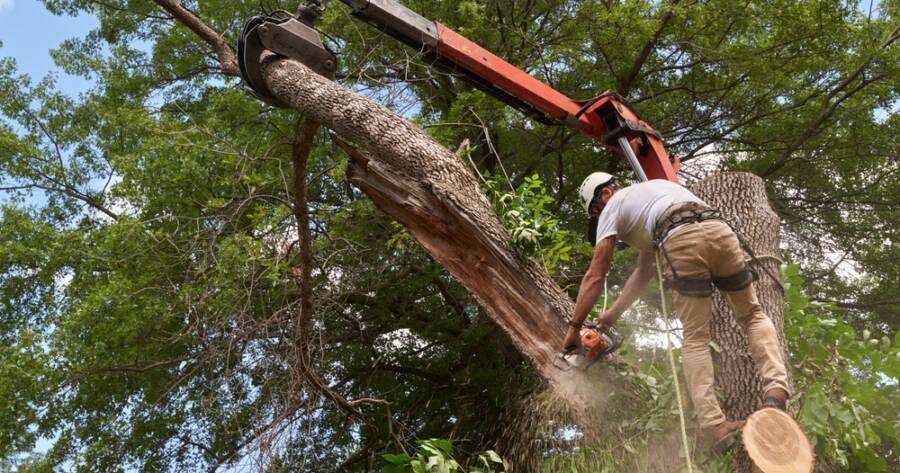
Tree removal can become an urgent expense after a storm, but routine trimming, stump work, and planned removals also come with costs homeowners need to understand. Prices vary based on tree size, condition, location, access, and the type of service required. Knowing what affects a quote can make comparing tree-service options much easier.
What Tree Removal Actually Involves
Tree removal is rarely a simple chop-and-haul operation. Professionals assess the tree’s size, species, structural condition, and proximity to structures before determining the safest removal approach. A large oak overhanging a roof requires a fundamentally different strategy than a small ornamental tree standing in an open yard. These variables combine to produce a wide range in final pricing, which is why two neighboring properties can receive very different quotes for seemingly similar jobs.
Nationally, tree removal pricing spans a considerable range depending on complexity. The average cost to hire a tree service falls between $385 and $1,070, with a national average around $850 (source). Larger trees, difficult access, and proximity to power lines or structures all push quotes toward the higher end of that range. Conversely, a small tree in an open area with easy equipment access typically lands at the lower end.
Emergency and Storm Damage Tree Removal
Storm-related tree failures create a different kind of urgency. When a trunk splits across a driveway or a heavy limb punches through a roof, waiting for a standard appointment is not an option. Emergency tree service carries a cost premium because it demands quick crew mobilization and often involves after-hours labor, and reputable companies use an upfront pricing model and provide written estimates before any work begins (source). Emergency removal typically runs between $450 and $3,000 depending on tree size and the difficulty of extraction (source).
The equipment used in emergency situations goes well beyond a standard chainsaw. Skilled emergency crews deploy crane-assisted removal systems capable of lifting heavy limbs away from damaged structures, strong floodlighting for nighttime operations, and heavy-duty rigging to stabilize leaning trunks under extreme tension (source). This specialized capability explains why emergency rates are higher—and why attempting a DIY approach after a major storm can be genuinely dangerous.
Homeowners dealing with storm damage should also be aware that a tree resting against a structure may appear stable but can shift dramatically if a second storm front moves through before removal is complete (source). On the insurance side, coverage for storm-damaged trees often caps between $500 and $1,000 per tree; professional crews should photograph and document the damage thoroughly before beginning work to support any insurance claim a homeowner files (source).
Stump Grinding: Why It Matters After Removal
Once a tree is felled, the stump that remains is more than an eyesore. Decaying stumps can become breeding environments for fungi, insects, and other harmful organisms that may spread disease to healthy trees nearby (source). They also create tripping hazards and can interfere with lawn maintenance, landscaping projects, or future construction.
Stump grinding addresses these concerns by using a machine equipped with sharp rotating blades to chip the remaining wood and roots down to ground level, removing both the hazard and any potential for regrowth from dormant buds (source). Timing matters here: freshly cut stumps are softer and more workable, making grinding faster and less expensive, while waiting too long hardens the wood and can drive costs higher (source).
Stump removal is typically quoted as a separate line item from the tree removal itself. Nationally, that additional charge runs between $180 and $525, influenced by stump diameter, species, accessibility, and whether surrounding rocks or roots need to be cleared first (source). Homeowners who bundle stump grinding with tree removal often find the combined scheduling more efficient than returning for two separate service visits.
Tree Trimming and Bulk Removal
Not every tree service call ends in full removal. Trimming is a routine maintenance task that preserves tree health, controls growth, and reduces the risk of branches failing during storms. The national average for tree trimming sits around $420, with most jobs falling between $255 and $655 depending on the number of trees, their size, and how much canopy needs to be addressed (source).
For properties requiring the clearing of multiple trees, such as vacant lots, overgrown acreage, or land being prepared for development, bulk removal pricing applies. Clearing an acre of trees can range from $850 to $6,000 depending on the density, size, and species of trees present (source). Large-scale projects of this type typically require a detailed on-site assessment before any accurate pricing can be provided.
What Drives a Tree Service Quote
Several factors interact to determine the final cost of any tree service job. Tree height and trunk diameter are primary drivers—taller and wider trees require more labor time, more equipment, and greater skill to remove safely. Species also plays a role because some trees have denser wood or more complex root systems than others. A tree’s overall health and structural integrity affect how the removal must be staged; a compromised trunk may need to be sectioned carefully rather than felled in one pass.
Location on the property matters considerably as well. A tree near a fence line, a utility wire, or a structure introduces risk and complexity that directly impacts the quote. Access for equipment, whether a crane or a large chipper truck can reach the work zone, affects how labor-intensive the job becomes. Finally, the scope of cleanup, whether the crew hauls away all debris or leaves wood for the homeowner to manage, can shift the final number in either direction.
Why You Should Learn More About Tree Services Today
Tree services cover a wide spectrum of needs, from urgent storm response to planned maintenance that keeps a property safe and well-maintained year-round. Emergency removal demands specialized crews and documentation that protects homeowners during the insurance process. Stump grinding eliminates long-term hazards and disease risks that a bare cut alone cannot resolve. Trimming and bulk clearing serve both aesthetic and structural purposes across all property types. Understanding the factors that shape any tree service quote, such as size, species, access, location, and cleanup scope, empowers property owners to evaluate estimates with confidence and recognize the value that professional arborists bring to every job.