

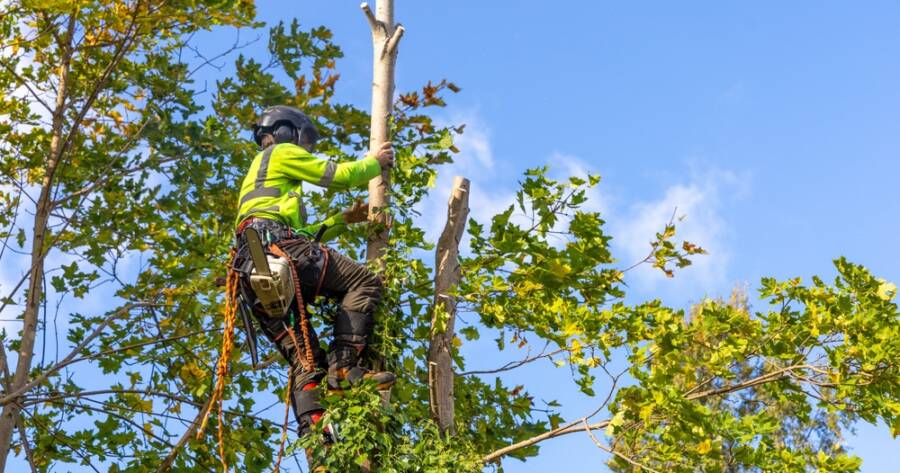
Tree maintenance becomes increasingly important as homeowners age, yet the costs can strain fixed incomes. Seniors face unique challenges when managing yard hazards, from towering trees to stubborn stumps. Understanding available services, typical expenses, and special programs designed for older adults helps maintain both safety and budgets.
Understanding Tree Removal Costs for Seniors
Tree removal represents a significant investment for homeowners on fixed incomes. The complexity of each project influences final costs, with factors like tree size, location accessibility, and potential hazards playing crucial roles. Many seniors find themselves unprepared for the expenses involved when a tree becomes dangerous or dies on their property.
Professional removal services typically assess each situation individually before providing estimates. The tree’s height, diameter, and proximity to structures or power lines all impact the final price. Trees leaning toward homes or entangled with utility lines require specialized equipment and additional safety measures, increasing overall costs. Dead or diseased trees may also present stability concerns that complicate removal procedures.
Local regulations often dictate permit requirements for tree removal, adding another layer of expense and complexity. Some municipalities restrict removal of certain species or trees above specific sizes without proper authorization. Seniors navigating these requirements may benefit from contractors who handle permit applications as part of their service packages.
Trimming Services and Associated Expenses
Regular tree trimming maintains property safety while preserving valuable shade and aesthetic appeal. Overgrown branches pose risks during storms, potentially damaging roofs, vehicles, or power lines. Proactive maintenance typically costs less than emergency services following storm damage or structural failures.
Professional tree trimming costs about $460 on average, according to Angi, while many projects fall between roughly $270 and $1,800 depending on factors such as tree size, species, condition, and accessibility (source). Small, easily reached trees may cost considerably less, whereas tall trees or those located near buildings, fences, or utility lines can require specialized equipment and additional labor.
Seasonal considerations affect both pricing and optimal timing for trimming work. Demand fluctuates throughout the year, with winter months generally offering lower rates due to reduced competition for services. Scheduling maintenance during off-peak periods can reduce costs by approximately one-fifth compared to busy spring and summer months (source).
Stump Grinding Price Considerations
Leftover stumps create hazards and eyesores after tree removal. Grinding eliminates these obstacles, converting them into mulch and reclaiming yard space. The process involves specialized machinery that chips away wood below ground level, preventing regrowth and simplifying landscaping efforts.
Pricing structures for stump grinding vary among contractors, with some charging flat project fees while others calculate costs per inch of diameter. National averages indicate homeowners spend between one hundred thirty-one and four hundred thirty-eight dollars for stump grinding services, with typical projects costing around two hundred seventy-two dollars (source). Size remains the primary cost determinant, as larger stumps require more time and equipment wear.
Small stumps measuring up to ten inches in diameter typically cost forty to seventy-five dollars to remove. Medium stumps ranging from ten to thirty inches generally fall between seventy-five and one hundred fifty dollars. Large stumps exceeding thirty inches can reach two hundred to four hundred seventeen dollars depending on specific dimensions and site conditions (source).
Many contractors establish minimum service fees regardless of stump size, commonly around one hundred dollars per visit. This baseline covers equipment transport, setup time, and basic operational costs. Seniors with multiple small stumps may find better value by scheduling all removals during a single appointment rather than separate visits.
No-Fee and Reduced-Cost Programs for Seniors
Government programs and community organizations recognize the financial burden tree services place on seniors with limited incomes. Qualification criteria typically focus on safety hazards rather than aesthetic preferences. Trees classified as dead, dying, or posing clear dangers to people or property often qualify for assistance (source).
Municipal programs sometimes provide complimentary removal when trees threaten public infrastructure. Cities may intervene when trees endanger sidewalks, roads, or utility lines, or when they stand within public rights-of-way or easements (source). Homeowners should contact local government offices to determine whether their tree situations qualify for public assistance.
State-specific programs offer targeted support in certain regions. Illinois communities like the Village of Maywood reimburse half of removal costs for dead, decaying, diseased, or nuisance trees affecting single-family homes (source). California’s Eldorado County Department of Forestry operates programs specifically designed for residents above sixty years old, particularly low-income seniors living in high-hazard zones (source).
Private companies also develop senior-focused initiatives. Some tree service providers offer discounted removal programs for older adults, reviewing applications on a case-by-case basis with emphasis on hazardous or dying trees (source). These programs acknowledge the financial constraints many seniors face while prioritizing safety concerns.
Community Resources and Support Networks
Local organizations provide valuable assistance beyond direct tree services. Departments of Aging maintain information about available programs and can connect seniors with appropriate resources. These offices often coordinate with other community groups to address home maintenance challenges facing older residents.
Habitat for Humanity and Rebuilding Together conduct projects that may include light tree trimming and yard cleanup. While these organizations focus primarily on critical repairs and safety improvements, they sometimes address landscaping issues that pose hazards. Senior centers and faith-based outreach programs similarly provide referrals to trusted contractors and occasionally organize volunteer work days for minor maintenance tasks (source).
Insurance coverage represents another potential resource for tree removal needs. Policies may cover removal when trees cause damage or pose imminent threats, typically requiring minimum deductible payments. Some insurance companies provide discounts when homeowners demonstrate regular tree maintenance, creating financial incentives for proactive care (source).
Alternative Cost-Reduction Strategies
Creative approaches can significantly reduce tree removal expenses. Trading valuable wood for no-fee removal services appeals to various parties seeking timber. Homeowners with log-burning fireplaces, lumber companies, and woodworking hobbyists may accept removal responsibilities in exchange for the wood itself. This arrangement works particularly well for trees composed of valuable or exotic timber species (source).
Utility companies sometimes remove trees interfering with power lines at no charge to property owners. Regular maintenance programs run by electrical providers include trimming or removing trees that threaten service reliability. Homeowners should contact utility companies directly when trees grow near power infrastructure rather than hiring independent contractors for these specific situations.
Timing service requests strategically reduces costs across all tree maintenance categories. Winter scheduling takes advantage of lower demand periods when contractors compete more aggressively for business. The reduced competition during colder months can decrease costs by roughly twenty percent compared to peak seasons (source). Seniors with flexible schedules particularly benefit from this approach.
Learn More About Tree Service Options
Understanding available tree service programs and pricing structures empowers seniors to maintain safe properties without compromising financial stability. Numerous assistance programs exist specifically for older adults facing tree-related hazards, though many remain underutilized due to lack of awareness. State and local governments, private companies, and community organizations all offer resources that reduce or eliminate costs for qualifying seniors. Insurance policies may provide unexpected coverage for tree removal under specific circumstances, making policy reviews worthwhile. Strategic timing of maintenance work and exploring wood-trade arrangements create additional savings opportunities.
The variety of options available ensures most seniors can find affordable solutions for their tree maintenance needs. Proactive research into local programs, contractor discounts, and alternative arrangements prevents small tree problems from becoming expensive emergencies. Property safety and budget management both improve when homeowners access appropriate resources and plan tree maintenance thoughtfully rather than reactively addressing crises as they develop.